
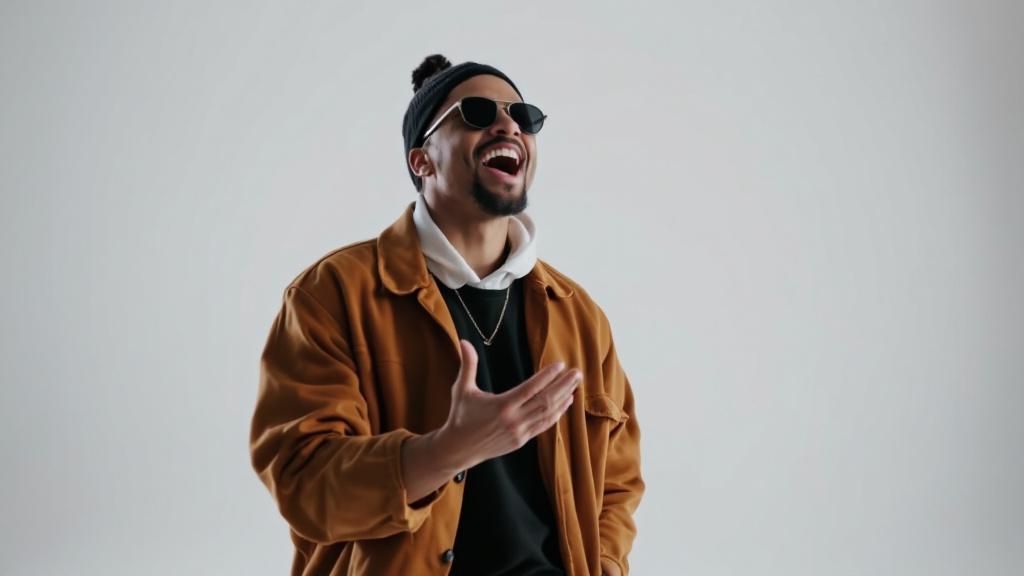
In an growing digital space, social media has substantially altered how audiences discover, consume, and engage with music. A distinguished musician lately disclosed candid insights into this major upheaval, investigating how platforms like TikTok, Instagram, and YouTube have reimagined the entertainment industry. From broadening access to emerging artists to questioning traditional record label models, social media’s influence is undeniable. This article analyses the opportunities and challenges facing modern musicians, delving into how they’re modifying their approach to succeed in an era where breakout content can propel artists to fame overnight.
The Rise of Direct Fan Engagement
Social media has profoundly reshaped the connection between artists and fans, displacing established middlemen that once controlled artist-fan communication. Platforms such as Instagram, TikTok, and Twitter now permit creators to distribute their artistic development, private reflections, and upcoming work directly to millions of followers instantaneously. This remarkable openness has nurtured deeper, more authentic connections between creators and devoted followers, transforming passive listeners into active participants who feel truly committed to an creator’s artistic evolution and career progression.
The effects of this immediate interaction are profound and multifaceted. Artists can now gather real-time feedback on new material, validate approaches with their fanbase before official releases, and foster engaged audiences that provide invaluable support throughout their careers. Furthermore, this democratisation of communication has enabled new artists to build substantial fanbases on their own, bypassing the gatekeeping mechanisms that historically dominated the music business. Consequently, the traditional power dynamics between industry gatekeepers and musicians have moved significantly, opening fresh avenues for artistic independence and financial independence.
Drawbacks of Constant Connectivity
Whilst social media has certainly opened doors for emerging artists, the relentless demand for constant content creation presents significant challenges. Artists now find themselves obligated to maintain an near-constant online presence, crafting engaging multimedia updates to maintain audience engagement and algorithmic visibility. This pressure redirects essential resources and focus from genuine artistic work, risking damage to the calibre of artistic work. Furthermore, the expectation to be continuously available can exact a significant cost on mental health, as musicians contend with audience judgment, negative comments, and the anxiety of maintaining relevance in an ever more crowded digital marketplace.
The algorithm-driven nature of social media platforms creates additional complications for musicians seeking long-term career viability. Success is no longer based exclusively on talent or artistic merit; instead, it depends heavily upon understanding platform mechanics, when to post content, and what’s trending. This unpredictability means that even highly skilled artists can find it difficult to build momentum, whilst others achieve viral success by being novel rather than authentic creative work. Moreover, the transient nature of online engagement means that maintaining momentum requires constant reinvention, leaving musicians caught in an relentless pattern of change and output that often feels removed from genuine artistic creation.
The Prospects of Music and Digital Platforms
The evolution of the music industry appears inextricably linked to the development of digital platforms. As artificial intelligence technologies continue to advance, customised music suggestions will become ever more advanced, fundamentally altering how audiences find new artists. Music streaming platforms are pouring investment into algorithmic recommendation systems, which offers to broaden artist visibility further whilst simultaneously raising questions about artistic merit and market sustainability. The musician emphasised that adaptability will be crucial for those aiming for lasting success in this fast-changing landscape.
Emerging technologies present both remarkable possibilities and substantial difficulties for today’s musicians. Virtual reality concerts, blockchain-based royalty systems, and non-fungible tokens constitute uncharted domains that creators are commencing to examine in exploratory fashion. However, the long-term viability of these advances is unclear, and many musicians express scepticism concerning their long-term viability. The industry consensus suggests that whilst innovation is necessary, sustaining meaningful relationships with fans through established channels stays equally vital for building lasting careers and fostering authentic audience commitment.
Looking ahead, thriving musicians will probably adopt mixed methods that utilise social media’s audience whilst maintaining artistic integrity and artistic autonomy. The democratization of music production technology means that bedroom producers now rival established studios, fundamentally transforming industry structures. Nevertheless, the human factor—narrative craft, emotional resonance, and genuine connection—cannot be duplicated by technology or algorithms. The musician determined that this equilibrium of innovation and authenticity will in the end shape the next generation of entertainment industry success.
